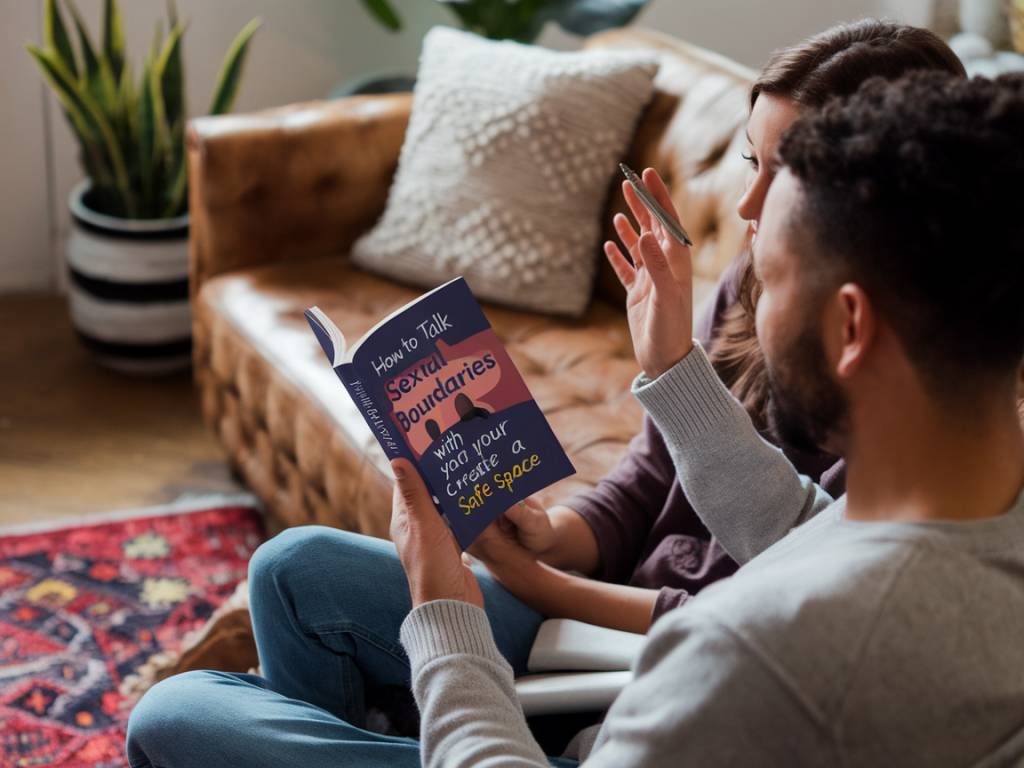
When I speak with neurodiverse couples – whether one partner is autistic, ADHD, highly sensitive, or otherwise neurodivergent, or both are – one theme comes back again and again: “We love each other, but our sexual desire feels out of sync. How do we make this work without anyone feeling broken or rejected?”
Sexual desire differences are common in all couples, but in neurodiverse relationships they can feel amplified. Sensory sensitivities, social burnout, different needs for structure or spontaneity, and divergent communication styles all shape how we experience sex. That doesn’t mean you’re incompatible. It means you need a different roadmap.
In this piece, I want to walk through how I think about navigating desire differences in neurodiverse relationships – not as a problem to “fix,” but as an opportunity to build deeper understanding, more honest intimacy, and a sustainable erotic rhythm that fits who you both really are.
Understanding Desire Differences Through a Neurodiversity Lens
When one partner wants sex more often, more intensely, or in different ways, we’re usually taught to interpret it in moral or personal terms: “I’m too much.” “I’m not enough.” “They don’t love me.” “I’m broken.”
When neurodiversity is in the mix, those painful stories can intersect with long histories of being misunderstood: the autistic partner accused of being “cold,” the ADHD partner shamed for being “too much,” the highly sensitive partner told to “just relax.”
I find it much more accurate – and kind – to look at desire differences as an interplay of nervous systems, sensory profiles, and emotional needs.
Some neurodivergent partners might experience:
- Hyperfocus on sex or fantasy as a special interest or soothing routine.
- Low or inconsistent desire when overwhelmed by sensory input, executive dysfunction, or social fatigue.
- Specific touch preferences (pressure, temperature, movement) that make some kinds of sex appealing and others intolerable.
- Black-and-white patterns (either very sexual or completely shut down) depending on stress or routine disruption.
And that’s just one side. The other partner – whether neurodivergent or neurotypical – brings their own history, body, and beliefs to the table. Desire is shaped by stress, hormones, trauma history, relationship satisfaction, medications, and countless other factors.
The starting point, for me, is this: there is nothing inherently wrong with either of you. Your nervous systems are doing exactly what they’re wired to do. The work is to understand those patterns well enough that you can partner with them, rather than constantly feeling trapped inside them.
Unpacking the Stories You Tell Yourself About Sex
Before you can change your sexual dynamic, you have to notice the stories running in the background. In neurodiverse couples, I often hear versions of these:
- “If they really loved me, they’d want sex as often as I do.”
- “If I say no, they’ll think I don’t find them attractive.”
- “If I don’t push myself, I’m failing them as a partner.”
- “My need for sex is embarrassing and selfish.”
- “My lack of desire means I’m broken, or asexual, or traumatized – and that must be bad.”
On top of these, neurodivergent partners often carry additional narratives:
- “I’m too weird or too intense about sex.”
- “I’m bad at reading signals, so I probably keep messing it up.”
- “My sensory needs are unreasonable.”
- “If I ask for the structure I need, I’ll kill the mood.”
When I’m working through this with people, I often invite them to write these beliefs down, and then ask: Where did this story come from? Who taught me this? Does it actually fit my current relationship and my neurotype?
Often, the answer is no. You might be trying to squeeze your very specific bodies and brains into a generic cultural script about sex that was never designed for you in the first place.
Creating a Shared Language for Desire
One of the biggest pain points in neurodiverse relationships is miscommunication. The partner who uses indirect hints (“I’m tired” meaning “I’m scared you’ll be disappointed if I say no”) pairs up with someone who takes words literally. Or the partner who needs explicit instructions partners with someone who assumes “If they really wanted me, they’d just know what to do.”
I’m a big fan of building a shared erotic vocabulary that’s explicit enough to be kind. A few ideas:
- Name your desire range: For example, “green light” (excited and eager), “yellow light” (I’m open, but I’ll need time or specific conditions), “red light” (I’m not available for sex).
- Differentiate types of touch: affectionate, sensual, sexual, playful, comforting. Many neurodivergent folks relax when these categories are clear.
- Use scripts if that feels easier: “I’m at a yellow light and could get to green if we…”, or “I want closeness, but my body is at a red light for sexual touch right now.”
This might feel awkward or clinical at first, especially if you grew up on the idea that “spontaneity = real passion.” But in practice, explicit language often allows more spontaneity, because neither of you is silently panicking about what the other person means.
Rethinking Spontaneity: Why Planning Can Be Sexy
In many neurodiverse couples I talk to, there’s a clash between the idea of “hot, in-the-moment sex” and the reality of living with sensory sensitivities, executive dysfunction, or chronic exhaustion. If your brain already spends its day processing too much information, unplanned sex can feel like one more demand your system can’t handle.
Scheduling or ritualizing sex often gets dismissed as unromantic, but I’ve seen it transform relationships – especially when one or both partners are autistic or ADHD.
Planning can look like:
- Agreeing on specific “intimacy windows” during the week, without pressure that sex has to happen – but with an agreement to check in about it.
- Creating predictable pre-sex routines: shower, specific clothes, dim lights, background noise, a weighted blanket on the bed, whatever helps nervous systems settle.
- Setting up “menu nights” where you choose from pre-agreed activities (making out, mutual masturbation, erotic massage, naked cuddling, full-on sex).
For many neurodivergent partners, this reduces the anxiety and decision fatigue that smothers desire. The brain thinks, “I know what’s coming, I know what’s expected, and I know my boundaries are already built into the plan.” That safety makes room for arousal.
Working with Sensory Needs Instead of Against Them
Neurodiversity and sensory processing are deeply linked. If you’re constantly trying to have sex that ignores sensory realities, everyone ends up frustrated.
Here are some of the sensory questions I encourage couples to explore together:
- What kinds of touch feel soothing, neutral, overwhelming, or painful?
- How do light, sound, and temperature affect your ability to relax into sex?
- Does your nervous system prefer deep pressure, slow movement, or light teasing?
- Are there parts of the body that are usually “off-limits,” and if so, what alternatives feel good?
It helps to treat this as joint research rather than a problem. You might experiment with:
- Weighted blankets or firm pressure during cuddling or aftercare.
- Earplugs, white noise, or music to block distracting sounds.
- Dimmer switches, lamps, or eye masks to manage light sensitivity.
- Different fabrics, lubricants, toys, or positions that give you more control.
Inside many neurodiverse couples, there’s a pattern where one person silently endures sensory discomfort to avoid “killing the mood,” until their body eventually shuts down completely. Being transparent about sensory limits may mean adjusting what “sex” looks like – but in my experience, it leads to better, more frequent, and more satisfying intimacy over time.
Centering Emotional Safety When Rejection Hurts More
For a lot of neurodivergent people, rejection sensitivity is not abstract – it’s visceral. A “no” to sex can light up old experiences of bullying, social exclusion, or constant criticism. The partner hearing “not tonight” doesn’t just register a practical limit; they may hear, “You’re unlovable, too much, and a burden.”
This doesn’t mean you should say yes when you want to say no. It does mean how you say no matters – and how you hear no matters just as much.
I like to work with couples on building a “no” that still feels like care:
- Start with reassurance: “I love being close to you.”
- Be honest about capacity: “Right now my body is overloaded; sex would feel like another demand.”
- Offer an alternative: “Could we cuddle while we watch something?” or “Could we plan a sex date for Saturday when I’m more rested?”
On the other side, if you’re the higher-desire partner and you know rejection hits your nervous system hard, you can work with that rather than being at its mercy. That might mean:
- Agreeing ahead of time on how your partner will express a no, so it feels softer and safer.
- Developing self-soothing strategies for those moments – journaling, movement, a special playlist, texting a trusted friend.
- Reminding yourself, deliberately and often, that your partner’s capacity is not a referendum on your attractiveness or worth.
Expanding What “Sex” Means in Your Relationship
When couples talk about mismatched desire, they’re usually talking about a very narrow version of sex: genital-focused, orgasm-oriented, somewhat scripted. That model often doesn’t fit well with neurodiverse bodies that may need more time, different types of touch, or a wider range of intensity.
One of the most liberating moves you can make is expanding your definition of what counts as “real sex.” That might include:
- Prolonged making out without the expectation of intercourse.
- Mutual masturbation while lying side by side.
- Erotic massage focused on pressure and relaxation.
- Talking dirty or sharing fantasies without physical touch.
- Short, focused encounters designed around one partner’s needs, with an understanding of taking turns over time.
When you create a menu of intimate options with different time, energy, and sensory demands, it becomes easier to find a “yes” that works for both nervous systems in that moment. Sex stops being an all-or-nothing event and becomes a spectrum of shared erotic experiences.
Balancing Autonomy and Togetherness Over Time
No matter how much you love each other, your libidos may never fully match. That isn’t a failure; it’s a reality to negotiate.
In long-term neurodiverse relationships, I often see sustainable balance emerge from a combination of:
- Solo sexuality: Masturbation, porn, erotica, or fantasy as a healthy outlet, not a consolation prize.
- Planned couple time: Intimacy windows where you’re both prepared, regulated, and curious.
- Nonsexual closeness: Shared routines, special interests, and affection that keep the bond strong even when sex isn’t on the table.
Your particular balance will depend on your values, boundaries, and comfort with things like sex toys, erotica, or, in some relationships, ethical non-monogamy. There’s no one right answer, only what works for both of you with full, informed consent.
What matters is staying in honest dialogue, rather than silently tallying who “owes” what to whom. Desire differences don’t have to be a constant source of hurt; they can become one of the ways you practice care, honesty, and flexibility together.
Neurodiverse couples are often used to feeling like their way of loving and wanting is “wrong.” I don’t buy that. I see relationships where partners learn to map each other’s nervous systems like intricate constellations, building sex lives that might not look like the movies but feel deeply tailored, deeply kind, and deeply theirs.
If you recognize yourself in any of this, you’re not alone – and you’re not broken. You’re simply working with a different set of wiring. With curiosity, clear communication, and a willingness to rewrite the script, it’s absolutely possible to build a sexual connection that honors both of your brains, both of your bodies, and the very real love that brought you together.